


Views: 0 Author: Site Editor Publish Time: 2026-01-20 Origin: Site


In recent years, gummy vitamins have become increasingly popular as a convenient and enjoyable way to supplement essential nutrients. Their appeal lies in their candy-like texture and pleasant flavors, making them especially attractive to people who struggle with traditional pills, including children and the elderly. As the demand for gummy vitamins continues to rise, understanding the manufacturing process becomes crucial for ensuring their quality and effectiveness. From ingredient selection to production techniques, the process directly impacts the potency, safety, and taste of the final product. Quality control throughout production ensures that each gummy vitamin delivers the right amount of nutrients and meets strict safety standards. Therefore, a clear understanding of how gummy vitamins are made is vital for both manufacturers and consumers who want to ensure they’re getting a reliable and effective supplement.
Gummy vitamins are made using a mix of ingredients that create the desired texture, taste, and nutritional value. Here’s a summary of the main components:
Gelatin or Pectin
Gelatin: Derived from animal collagen, gelatin gives gummies their chewy texture and flexibility. It’s commonly used but isn’t suitable for vegans.
Pectin: A plant-based alternative to gelatin, pectin is used in vegan gummies and provides a similar chewy texture.
Vitamins
Vitamins like Vitamin C, D, E, B-complex, and folic acid are mixed into the gummy base to provide essential nutrients. These vitamins are either in powdered or liquid form.
Sweeteners
Sweeteners like sugar, corn syrup, and glucose are used to improve taste. Sugar substitutes like stevia and xylitol are also popular in health-conscious brands to reduce sugar content.
Flavorings
Natural and artificial flavorings are added to enhance taste. Natural flavors come from fruits and herbs, while artificial flavors are synthetic, more cost-effective, and offer longer shelf life.
Colorings
Both natural and artificial colorings are used to give gummies vibrant colors. Natural colorants like beet juice are used in premium products, while synthetic dyes like Red 40 are more common in mass-market gummies.
Gelatin-based gummies are more flexible and chewy, commonly used in mainstream products.
Pectin-based gummies are firmer and are popular in vegan and vegetarian markets due to their plant-based nature.
Natural ingredients like organic sweeteners and fruit flavors are favored in health-conscious markets, while artificial ingredients are cost-effective and consistent, making them more common in mass-produced gummies. However, there’s a growing demand for natural products, despite their higher price.
The process begins with mixing the key ingredients to create the gummy base. This includes gelatin or pectin, vitamins, sweeteners, flavorings, and colorings. The ingredients are carefully blended together to form a smooth, homogeneous mixture. Water is often added to help dissolve the ingredients and achieve the right consistency. The mixture must be thoroughly blended to ensure an even distribution of vitamins and other nutrients throughout the gummies.
Once the gummy base is prepared, the mixture is poured into molds that shape the gummies. The molds are typically made of silicone or metal and come in various shapes, from traditional bears to more specialized forms. The molds are designed to hold the mixture in place while it sets, ensuring the gummies achieve their final shape. The molds are often slightly oiled or dusted with cornstarch to prevent sticking.
After the mixture is poured into molds, it needs time to cool and solidify. During this phase, the gelatin or pectin sets, turning the soft liquid into a firm, chewy gummy. The cooling process can take several hours, depending on the size and composition of the gummies. In some cases, gummies are placed in cooling chambers to ensure they harden uniformly.
Once the gummies are fully set, they are removed from the molds and coated to improve texture and taste. Sugar is the most common coating, giving the gummies a sweet, pleasant finish. In sugar-free or health-conscious products, alternative coatings such as cornstarch or other sugar substitutes may be used. The coating also helps prevent the gummies from sticking together and can enhance their visual appeal.
The final step in the process involves drying the gummies to ensure they are firm and have the right texture. This step helps remove any excess moisture, which could affect the shelf life and quality of the product. After drying, the gummies are carefully inspected for quality control. Once approved, they are packaged in bottles or pouches, labeled with nutritional information, and sealed for distribution.
Quality control is a critical aspect of gummy vitamin production to ensure that the final product is both effective and safe for consumers. From ensuring accurate vitamin concentrations to maintaining consistency in taste and texture, quality control processes are in place throughout production.
One of the primary concerns in gummy vitamin production is ensuring that each batch contains the correct amounts of vitamins and minerals. This requires precise formulation and regular testing. Manufacturers typically conduct batch testing to verify that the concentrations of active ingredients meet the specified requirements. The homogeneity of the mixture is also carefully monitored, ensuring that each gummy contains a consistent amount of nutrients. This is crucial, as uneven distribution of vitamins could lead to variations in the potency of individual gummies.
Potency: To ensure that the gummy vitamins deliver the intended health benefits, potency testing is conducted. This involves verifying that the vitamins remain effective over time, even during the manufacturing process. Potency tests help confirm that the nutrients are not degraded by the mixing, heating, or cooling processes.
Stability: Stability testing ensures that the gummies retain their effectiveness throughout their shelf life. Manufacturers expose gummies to various environmental conditions—such as heat, humidity, and light—to test how they will react over time. This helps determine their expiration date and ensures they will maintain nutrient potency during storage.
Taste: Taste testing is another essential part of quality control. Since gummy vitamins are often marketed based on their flavor, maintaining a pleasant taste is crucial. Manufacturers conduct sensory evaluations to ensure the final product is flavorful and appealing, adjusting flavorings and sweeteners as needed.
Ensuring the safety of gummy vitamins is paramount in production. Stringent sanitation protocols are followed to avoid contamination from bacteria, mold, or other harmful microorganisms. Regular cleaning of equipment, molds, and production surfaces helps minimize the risk of contamination. Additionally, quality control teams inspect gummies for defects such as cracks, discoloration, or irregular shapes that may signal a production issue. Some manufacturers also perform microbial testing on raw materials and finished products to ensure they are free from pathogens.
Advanced automated inspection systems are often used to detect defects in texture, color, or shape, while visual inspection is done manually for the final check before packaging. If any defective gummies are found, they are discarded to ensure only high-quality products reach consumers.
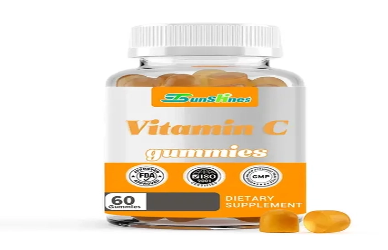
Manufacturing gummy vitamins involves overcoming several challenges to ensure the final product is both effective and enjoyable for consumers.
One of the main challenges is balancing taste with nutrient potency. While gummies are designed to be tasty, adding too much sweetener or flavor can reduce the nutrient density. High doses of vitamins may also alter the taste or texture, so manufacturers must carefully adjust ingredients to achieve both a pleasant flavor and the right nutritional content.
Gummy vitamins must maintain nutrient integrity over time. Vitamins, especially Vitamin C and B vitamins, are sensitive to heat, light, and moisture, which can degrade their potency. Manufacturers use preservatives and protective packaging to extend shelf life and ensure the vitamins remain effective throughout their lifespan. Stability testing is critical to ensure gummies retain their nutrients until the expiration date.
Excess sugar in gummy vitamins raises health concerns like weight gain and dental problems. To address this, many manufacturers use sugar substitutes such as stevia or xylitol. However, these alternatives can affect the taste and texture, presenting another challenge. Balancing a sweet flavor with health-conscious ingredients remains a significant hurdle in gummy vitamin production.
Gummy vitamins typically contain ingredients like gelatin or pectin for texture, vitamins for nutritional content, sweeteners like sugar or sugar substitutes, and flavorings and colorings for taste and appearance.
Gelatin provides a chewy, elastic texture, making it ideal for traditional gummy vitamins, while pectin is a plant-based alternative used in vegan gummies, offering a similar texture without animal-derived ingredients.
Manufacturers follow strict sanitation protocols to prevent contamination, conduct quality control checks for defects, and perform microbial testing to ensure the gummies are safe from harmful bacteria or pathogens.
Yes, gummy vitamins can maintain potency if stored properly, but their shelf life depends on factors like temperature, humidity, and packaging. Manufacturers test for stability to ensure nutrients stay effective until the expiration date.
The gummy vitamin manufacturing process involves several key steps, from mixing and molding the ingredients to ensuring the final product is properly coated, dried, and packaged. Each step requires precise attention to detail to maintain the desired texture, taste, and nutrient potency. Quality control plays a critical role throughout the process, ensuring that each gummy vitamin contains the right amount of active ingredients and remains safe for consumption. From testing for potency and stability to preventing contamination, robust quality control measures are essential for producing effective and reliable gummy vitamins. Ultimately, understanding the manufacturing process and the importance of quality control helps consumers make informed choices about the supplements they choose to support their health.