


Views: 0 Author: Site Editor Publish Time: 2026-01-23 Origin: Site


In recent years, gummy vitamins have surged in popularity, offering a fun, flavorful alternative to traditional pill-based supplements. While gummies are often seen as a more enjoyable option, capsules have long been the standard for nutrient delivery due to their potency and convenience. Both forms come with their own set of benefits and drawbacks, making it important to evaluate which is better depending on individual preferences and health goals. This article will compare gummies and capsules across several key factors, such as ease of consumption, nutrient delivery, sugar content, shelf life, and cost, helping you make an informed decision about which supplement format best suits your needs.
Gummy vitamins are a popular choice for individuals who struggle with swallowing pills, particularly children, the elderly, or those with conditions that make it difficult to swallow capsules or tablets. Their chewy, candy-like texture makes them more enjoyable and easier to take, turning the daily vitamin routine into something people look forward to. Gummies also offer the advantage of being easy to chew and don’t require water to swallow, which can be a challenge for those with swallowing difficulties or dry mouth.
On the other hand, capsules can be harder to swallow for some individuals, particularly children or people with a sensitive gag reflex. However, for those who are accustomed to taking pills, capsules are often seen as more convenient. They are compact, usually tasteless, and easy to incorporate into a routine without the need for chewing. Capsules also tend to have a smoother texture and are less likely to stick to the teeth, making them a preferred option for individuals who don't mind swallowing pills.
Gummy vitamins are widely loved for their sweet, chewy texture, making them a much more enjoyable option for people who find traditional pills unappealing. With fruity flavors and candy-like textures, gummies can turn the process of taking vitamins into a treat rather than a task. This makes them especially popular among children, but also appealing to adults who prefer a tastier, more pleasant supplement experience. Gummies provide a fun, enjoyable way to get essential nutrients without the unpleasant taste often associated with pills.
Capsules, on the other hand, are generally tasteless and neutral, which can be a benefit for those who prefer not to deal with added sweetness or flavoring. However, for some individuals, capsules can leave an unpleasant aftertaste, especially if the capsule doesn't dissolve quickly enough. Additionally, the texture of capsules can be off-putting for people who have difficulty swallowing them, as they can feel hard and uncomfortable in the throat. Though they are practical, the lack of flavor and potential for aftertaste make capsules less appealing for those who value taste in their supplements.
While gummy vitamins are convenient and tasty, they often contain lower concentrations of active ingredients compared to capsules or tablets. The addition of sugars, fillers, and flavoring agents can dilute the nutrient content, which means that it may take more gummies to meet your daily vitamin needs. Additionally, the presence of sugar or other ingredients in gummies can potentially slow down the absorption of nutrients, as the body has to process the gummy’s sugar and other compounds before fully absorbing the vitamins. As a result, gummies might not provide the same potency or absorption speed as traditional forms of supplements.
Capsules, on the other hand, generally deliver higher concentrations of vitamins in each dose. Because capsules dissolve quickly in the stomach, they allow for faster absorption of nutrients into the bloodstream. This makes them an ideal choice for individuals looking for a more potent and efficient way to receive their daily vitamins. The absence of added sugars or fillers also ensures that the body can focus on absorbing the active ingredients more effectively, making capsules a better option for those who need higher doses of certain nutrients.
One of the main drawbacks of gummy vitamins is their sugar content. To enhance flavor and make the vitamins more palatable, many gummies contain added sugars, which can contribute to weight gain, tooth decay, and an increased risk of chronic diseases such as diabetes when consumed excessively. Additionally, some gummy vitamins use artificial sweeteners or preservatives to improve taste and shelf life, which may raise health concerns for individuals who are sensitive to these ingredients or prefer to avoid them. For health-conscious consumers, the added sugars and artificial ingredients can be a significant downside.
Capsules, in contrast, are generally sugar-free and contain fewer additives. Since they are typically composed of just the active ingredients encapsulated in a gelatin or vegetarian shell, capsules tend to be a cleaner supplement option. This makes them a better choice for individuals seeking a supplement with fewer preservatives, artificial sweeteners, or other synthetic ingredients. For those who are concerned about sugar intake or prefer to avoid artificial additives, capsules offer a more straightforward, health-conscious choice.
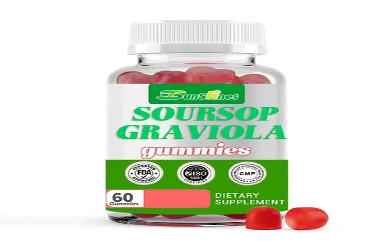
Gummy vitamins, while convenient and enjoyable, are more susceptible to changes in texture, potency, and stability over time. The presence of sugar and moisture in gummies can lead to softening, sticking together, or even the growth of mold if they are not stored properly. Additionally, sugars and other ingredients in the gummies may cause the nutrient potency to degrade faster, especially when exposed to heat or humidity. As a result, gummy vitamins typically have a shorter shelf life compared to capsules and must be stored in cool, dry conditions to maintain their quality.
In contrast, capsules are much more stable and have a longer shelf life. Because capsules contain fewer moisture-rich ingredients, they are less likely to experience texture changes or nutrient degradation over time. The sealed nature of capsules also protects the active ingredients from exposure to air and light, helping them retain their potency for a longer period. Capsules generally hold their nutrient integrity and are less affected by environmental conditions such as humidity, making them a more reliable option for long-term storage.
Gummy vitamins are generally more expensive per serving compared to capsules. This higher cost is primarily due to the manufacturing process, which involves adding sweeteners, flavorings, and sometimes additional stabilizing ingredients to create the chewy texture. Additionally, the ingredients used in gummies, such as high-quality flavorings or natural sweeteners, can further increase their price. While the fun, tasty experience of gummy vitamins may justify the extra cost for some, the price can add up over time, especially if you're taking multiple servings per day.
Capsules tend to be more affordable and come in a wide range of dosages, making them a cost-effective choice for many consumers. The production of capsules is less complex, and they require fewer ingredients, which helps keep the price down. Furthermore, capsules are often available in larger quantities, providing more servings per bottle. For those who need higher doses of vitamins, capsules are typically more flexible, offering varying dosages in a single format. This makes capsules a practical and budget-friendly option for people who are looking for consistent and effective supplementation.
Gummy vitamins typically contain lower concentrations and may have slower absorption due to added sugars and fillers. Capsules offer higher potency and faster absorption.
Gummies often have slower absorption because of sugars and fillers, while capsules dissolve quickly in the stomach, allowing for faster nutrient uptake.
Yes, sugar-free gummies are available, typically using substitutes like stevia or xylitol. The texture and taste may differ slightly from regular sugary gummies.
Capsules are more stable and have a longer shelf life, while gummies are more prone to texture and potency changes due to moisture and sugar content.
In summary, both gummy vitamins and capsules offer unique advantages depending on individual preferences and health goals. Gummies are ideal for those who have difficulty swallowing pills, enjoy a tasty supplement experience, or need a more enjoyable way to take their vitamins. However, they often contain added sugars, lower nutrient concentrations, and may have slower absorption rates. On the other hand, capsules are more efficient for those seeking higher nutrient potency, faster absorption, and fewer additives. They are also more stable for long-term storage and generally more cost-effective. Ultimately, the best choice depends on factors like taste preference, ease of consumption, nutrient needs, and health concerns.